


Course: Microservice Architecture
Mentor - Kyrylo Melnychuk, CTO at AlterEGO and Uspacy

In this course, you will go through the whole path of decomposing a system into microservices, learn about patterns and antipatterns, and analyze each step in team-based practical tasks.
Mentor - Kyrylo Melnychuk, CTO at AlterEGO and Uspacy
We will not write the code and implement the architecture, but in practice we will arrive at a ready-made plan for breaking down the monolith with a complete description of the structure of microservices and the interaction between them.
Language of the event: Ukrainian
-
After passing, you will learn on your own:
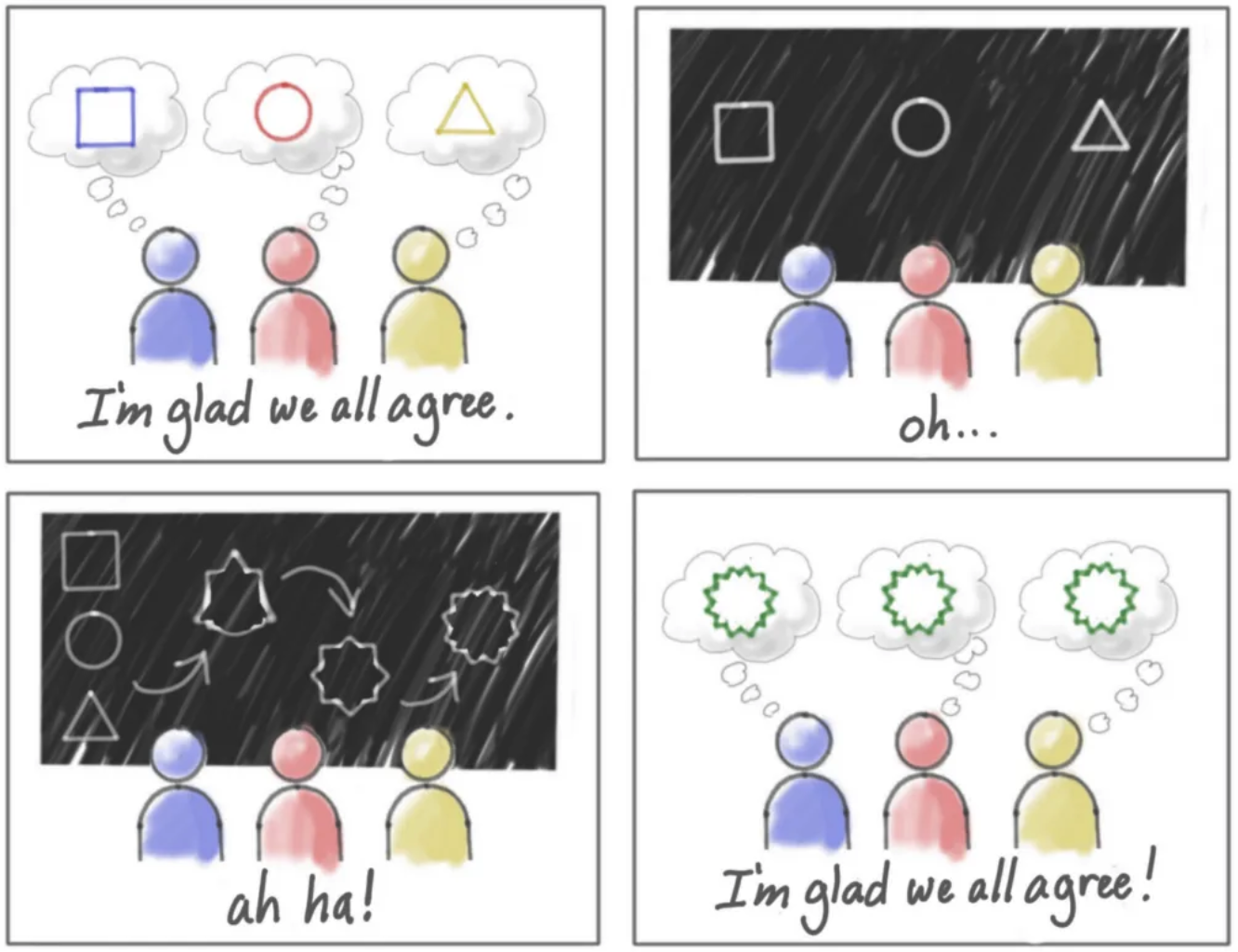
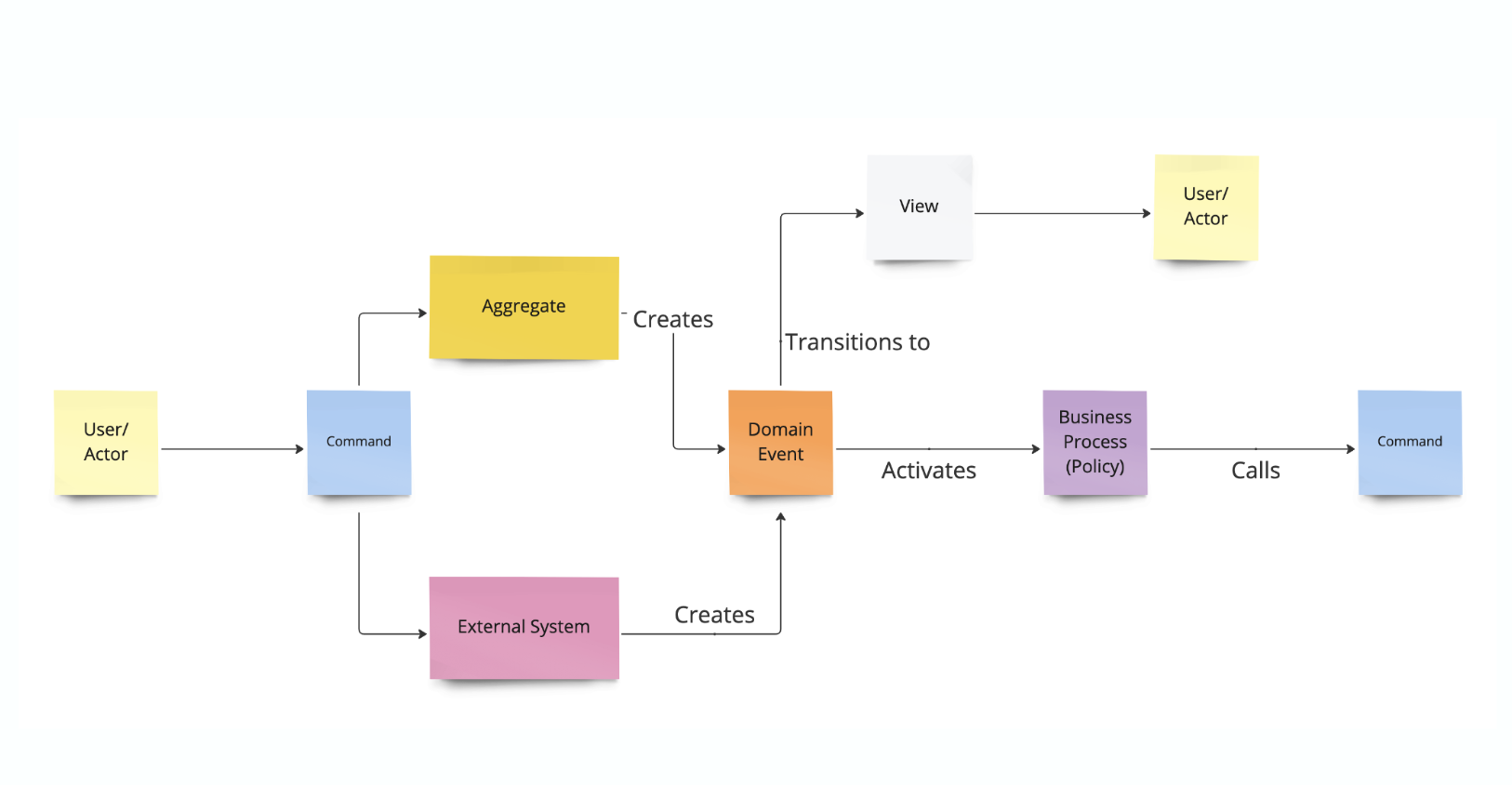
- Decompose the system into microservices, starting from subject areas. We will look at practices like DDD and Event Storming.
- Embed microservices into the organizational structure of the company.
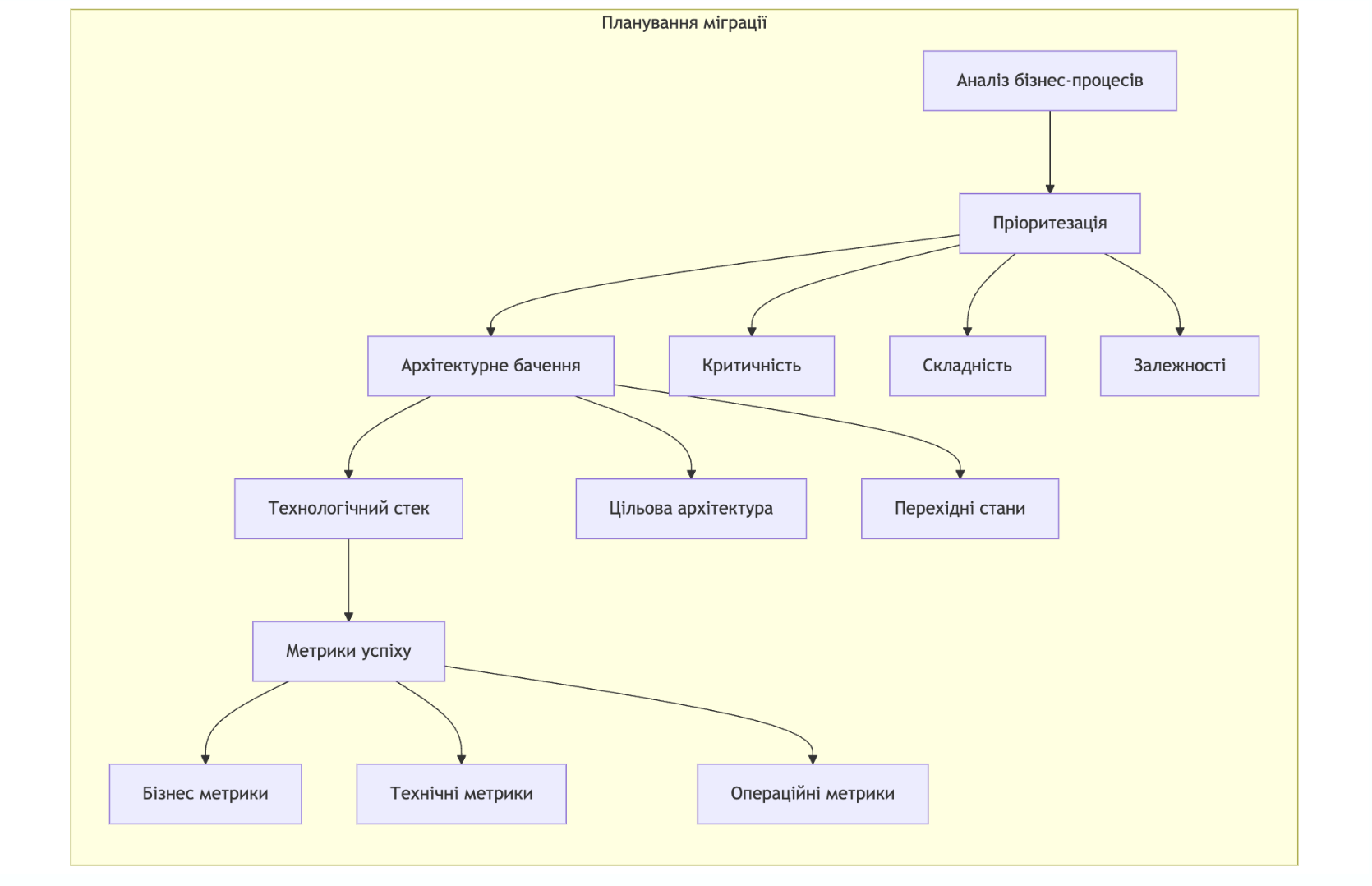
- Moving from a monolithic system to a microservice system.
- Apply patterns of interservice interaction and publishing APIs.
- Implement microservices testing and deployment patterns.
Audience
- Developers Middle+
- Business analysts
- Teamleads
- Architects
- DevOps
Format:
Date and time: February 2 - March 11, classes on Mondays, Wednesdays and Saturdays.
Interaction: Lecture, Q&A, homework in groups of 4-5 people for Full ticket (you can do the homework yourself). Groups present the results of their homework with analysis in class, at the end we all analyze the results of the work together.
Platform: Zoom. We will send you a link to the broadcast on the eve of the course, and it will also be available on this page.
Language of the event and presentation: Ukrainian
The number of participants is limited
Program
Introduction, DDD and Event Storming
Design and Development
Launch and support
Bonus
The course concept and all course materials are the intellectual property of FVDAYS. Copying of course content and materials is possible only with the consent of FVDAYS.